The best storage ideas for small spaces don’t add more furniture. They use the space you already have but ignore: the wall above the door, the gap beside the fridge, the floor under the bed and the back of every door. Once you start looking for those spots, even a studio apartment has more room than it seems.
This guide covers 20 small space storage ideas for every room, from living areas and bedrooms to tiny kitchens and entryways. Many of them work for renters, and most cost little or nothing. If you’re starting with a packed home, clear out first with our room-by-room decluttering guide, then come back and give everything that’s left a home.
Key Takeaways
- Quick answer: The best storage ideas for small spaces use the wall and hidden spots, not the floor: run shelves to the ceiling and above doors, choose furniture that stores, like a bed with drawers, and use the backs of doors. Anchor tall shelves to the wall.
- Go up before you go out: shelves above doors and up to the ceiling add storage without using floor space.
- Choose furniture that does two jobs, like a lift-top coffee table, a storage bench or a bed with drawers.
- Keep daily items between hip and eye level, heavy things low, and anchor tall shelves to the wall.
Time: a weekend · Cost: $0–$300 · Difficulty: Easy
Think in Zones, Not Square Feet
Small homes rarely run out of space. They run out of floor space. A typical wall has five storage zones, and most of us only use the middle one. That’s why the best storage ideas for small spaces start with the wall, not the floor. Put the things you use every day where they’re easiest to reach, and send everything else higher, lower or under furniture.
Vertical storage comes with one safety rule: tall, top-heavy furniture can tip. The U.S. Consumer Product Safety Commission estimates that about 11,000 children a year are treated in emergency rooms for tip-over injuries, and it recommends anchoring bookcases and dressers to the wall and storing heavier items on lower shelves. Anti-tip kits are cheap, and renters can usually patch the small screw holes when they move out (check your lease first).
Quick Pick: Storage Solutions for Small Spaces
Not sure where to start? Match your biggest problem to the storage ideas for small spaces below.
| Your problem | Start with these ideas |
|---|---|
| Nowhere to put things down | Shelves to the ceiling (#1), above-door shelf (#2), floating shelves (#3) |
| Living room feels crowded | Storage coffee table (#5), storage bench (#6), slim console (#8) |
| Tiny bedroom | Bed with drawers (#7), back-of-door storage (#10) |
| Cramped kitchen | Rolling cart (#15), wall rails (#16), inside cabinet doors (#12) |
| Shoes and coats by the door | Wall-mounted shoe cabinet (#17), hooks (#18) |
| Renting and can’t drill much | Ladder shelf (#4), over-the-door organizers (#10), bed risers (#7), rolling cart (#15) |
How to Plan Storage in a Small Space
- Edit first. Remove what you don’t use, so you don’t buy storage for things you don’t need.
- Sort by how often you use it. Daily, weekly and seasonal piles make it easy to see what belongs where.
- Measure the empty spots. Note the space above doors, under the bed, beside the fridge and behind doors.
- Pick dual-purpose pieces. Replace one plain piece of furniture with one that stores.
- Give everything a home. Label bins and keep a simple rule: one thing in, one thing out.
20 Storage Ideas for Small Spaces
These ideas are grouped by where they help most. Start with the room that bothers you the most, and add more as you go.
Go Vertical
1. Run shelves all the way to the ceiling
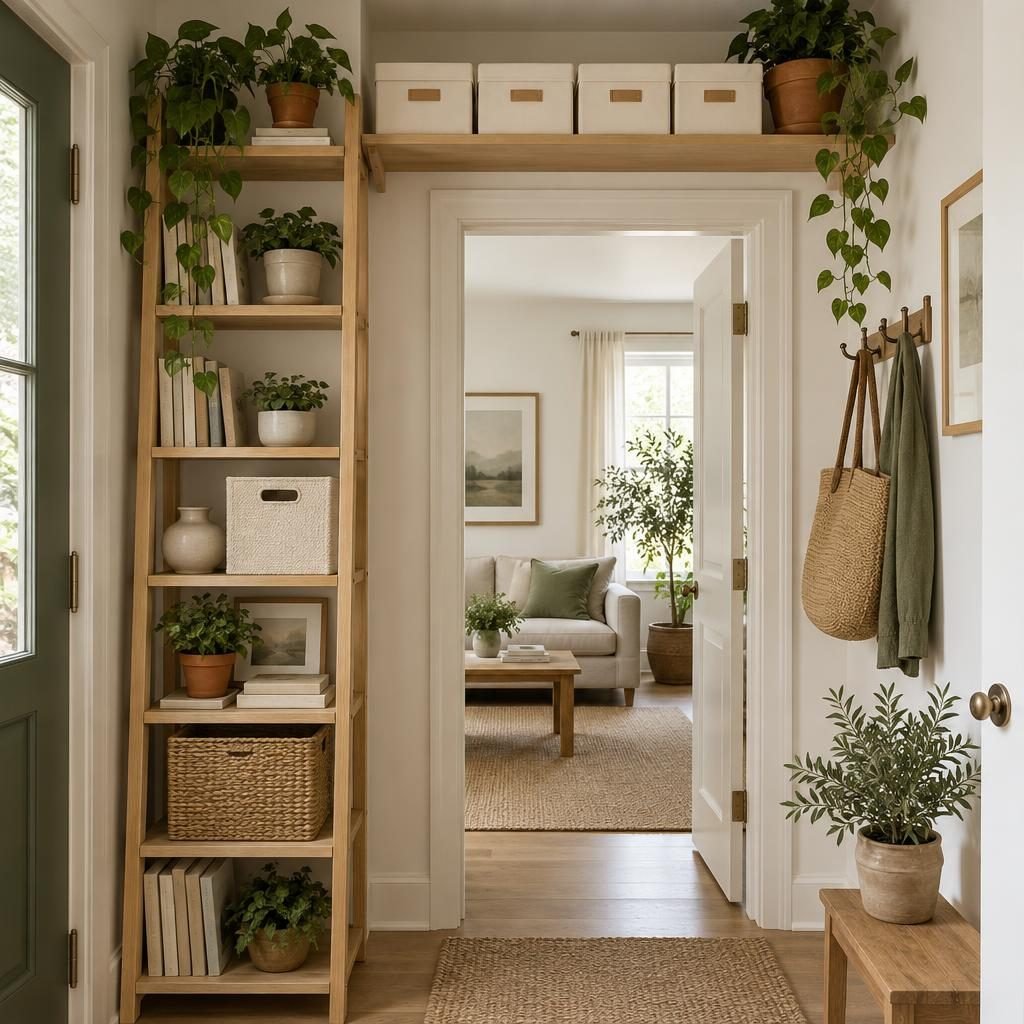
Shelving that stops at eye level wastes the top third of the wall. Floor-to-ceiling shelves, or a tall bookcase with a row of boxes on top, can roughly double what a wall holds. Keep daily things in the middle and use the top shelves for items you reach for a few times a year.
2. Add a shelf above every door
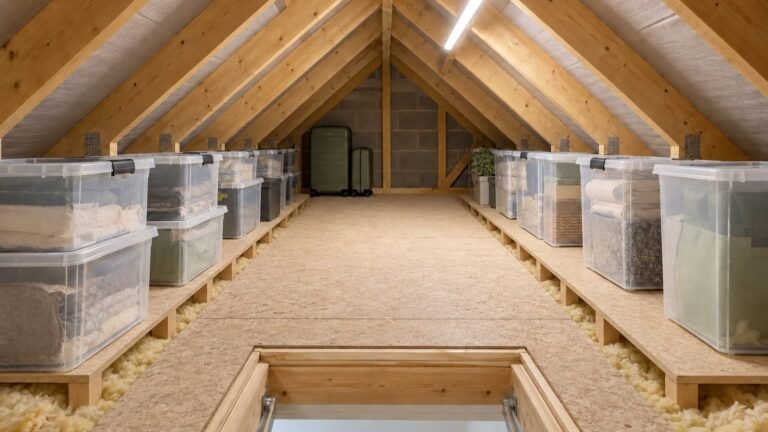
The wall above a door is one of the most overlooked storage spots in a home. A single shelf there holds spare bedding, holiday decor or extra toilet paper in matching boxes. It works especially well in hallways, bathrooms and bedrooms.
3. Swap bulky furniture for floating shelves
A bookcase eats floor space; floating shelves don’t. They keep the floor clear, which makes a room feel bigger, and they work in awkward spots like over a desk or toilet. Our DIY floating shelves guide shows how to build sturdy ones in an afternoon.
4. Use a ladder shelf on a narrow wall
A leaning ladder shelf fits slim walls next to doors and windows where nothing else will go. Because it’s wider at the bottom, it’s a good fit for renters who want shelves without a lot of drilling, but still secure it to the wall if you have kids or pets.
Choose Furniture That Stores
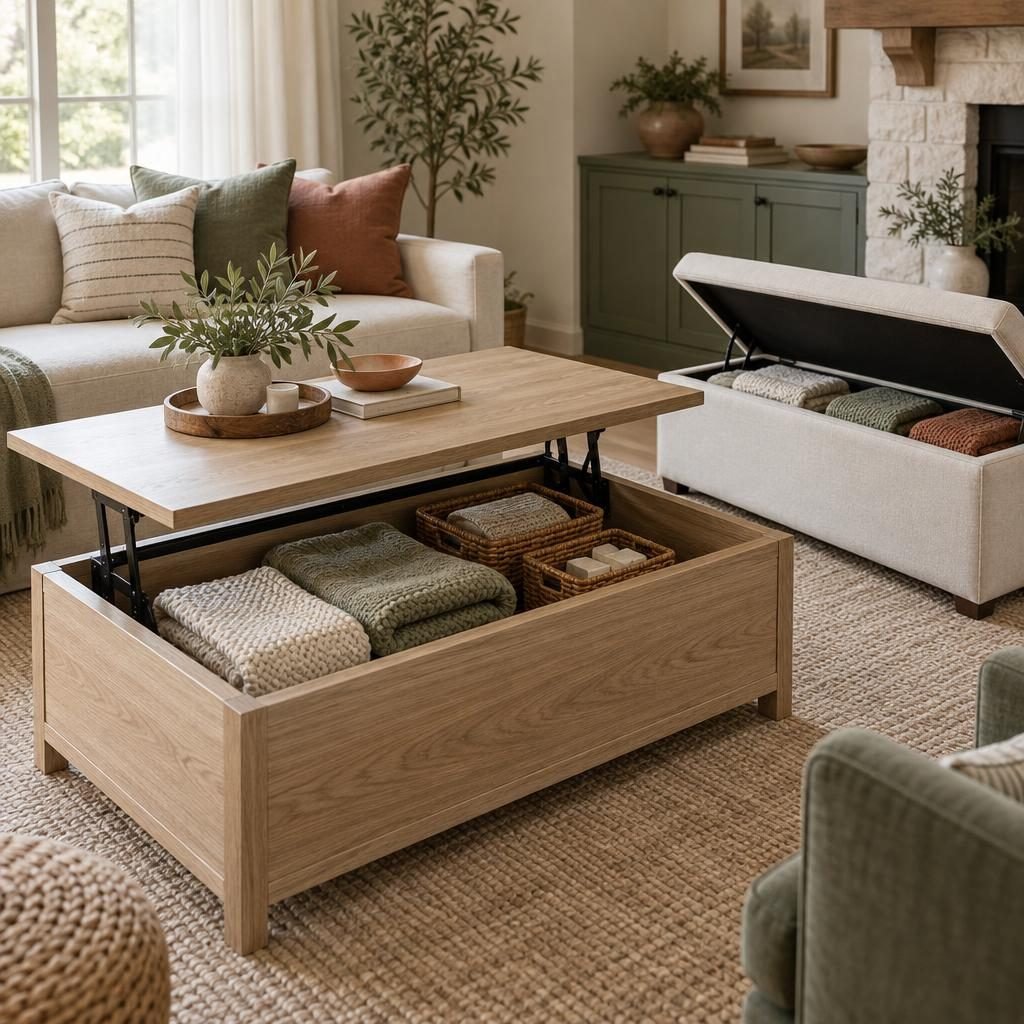
5. Pick a coffee table with storage
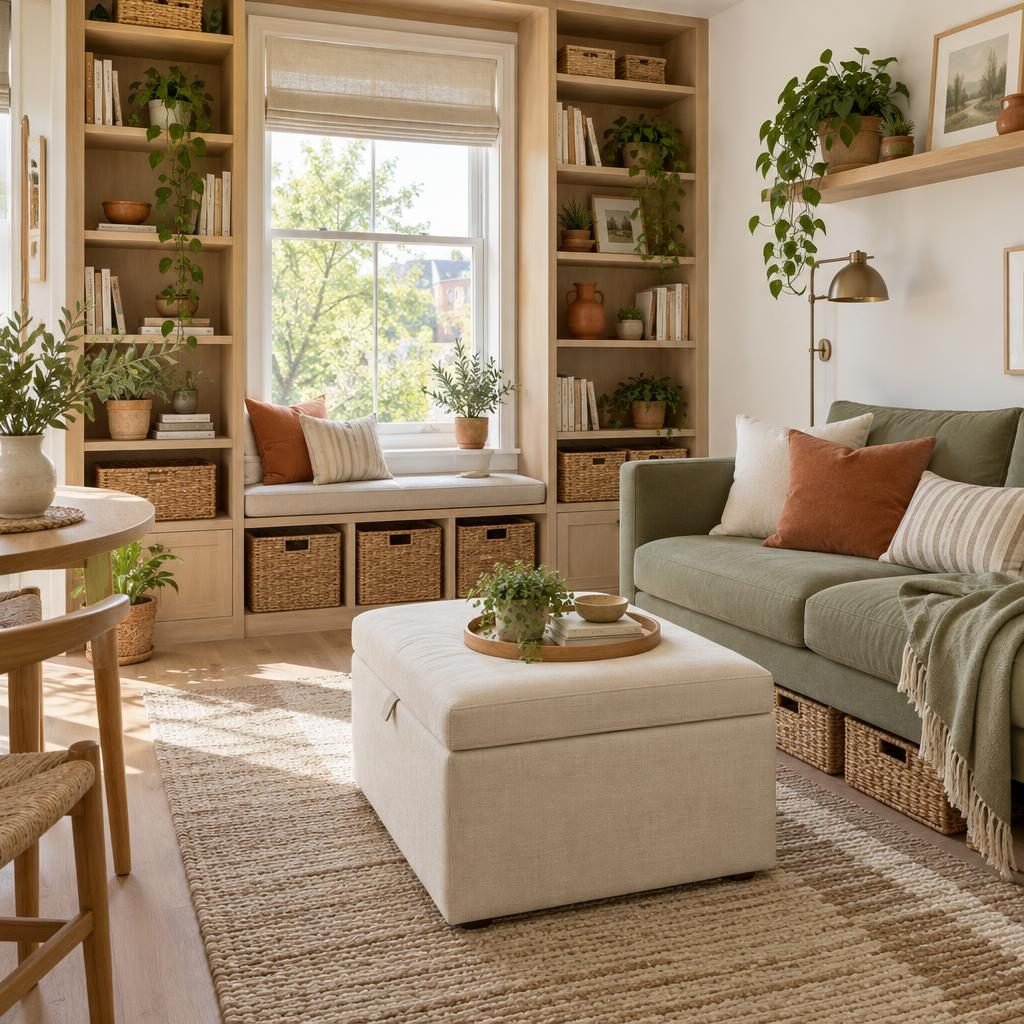
A lift-top coffee table or one with drawers hides blankets, remotes, board games and chargers. A lift-top model also doubles as a desk or dining spot, which helps in a studio apartment.
6. Add a storage ottoman or bench
A storage ottoman gives you extra seating, a footrest and a hidden bin in one piece. A storage bench works the same way at the foot of the bed, in a window, or by the front door.
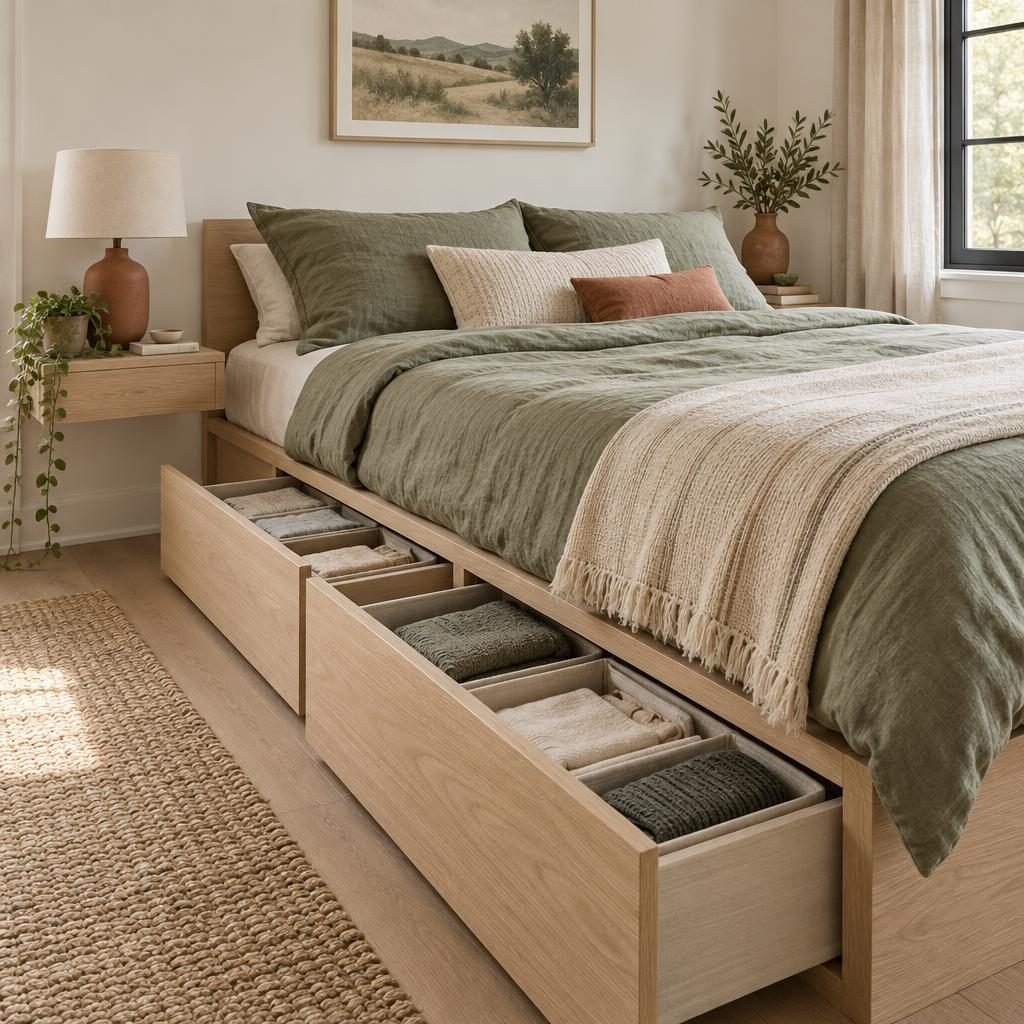
7. Store under the bed
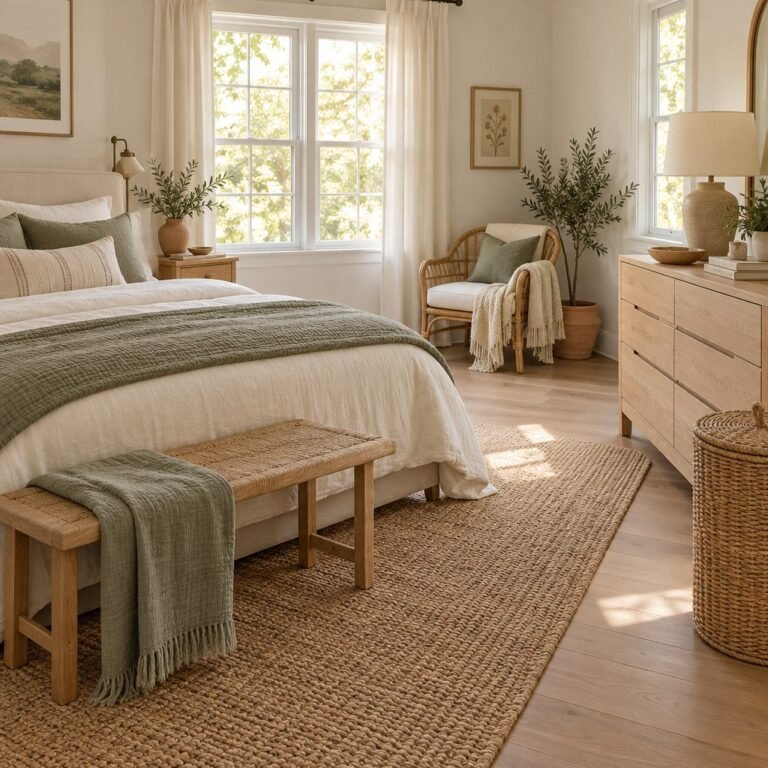
The space under a bed is often the biggest storage area in a small apartment. A bed with built-in drawers is the easiest option. If you’d rather keep your bed, add risers and use low, rolling bins for off-season clothes and spare linens. Find more bedroom ideas in our small bedroom storage guide.
8. Put a slim console behind the sofa
If your sofa floats in the room, a narrow console table behind it adds a surface for lamps and baskets underneath for magazines and throws. Choose one about 10 to 12 inches (25 to 30 cm) deep so it doesn’t block the walkway.
9. Use a wall-mounted or fold-down desk
A fold-down wall desk gives you a workspace that disappears when you’re done. If you already have a desk, keep it tidy with our desk organization ideas so it doesn’t become a second junk drawer.
Use the Spots Everyone Forgets
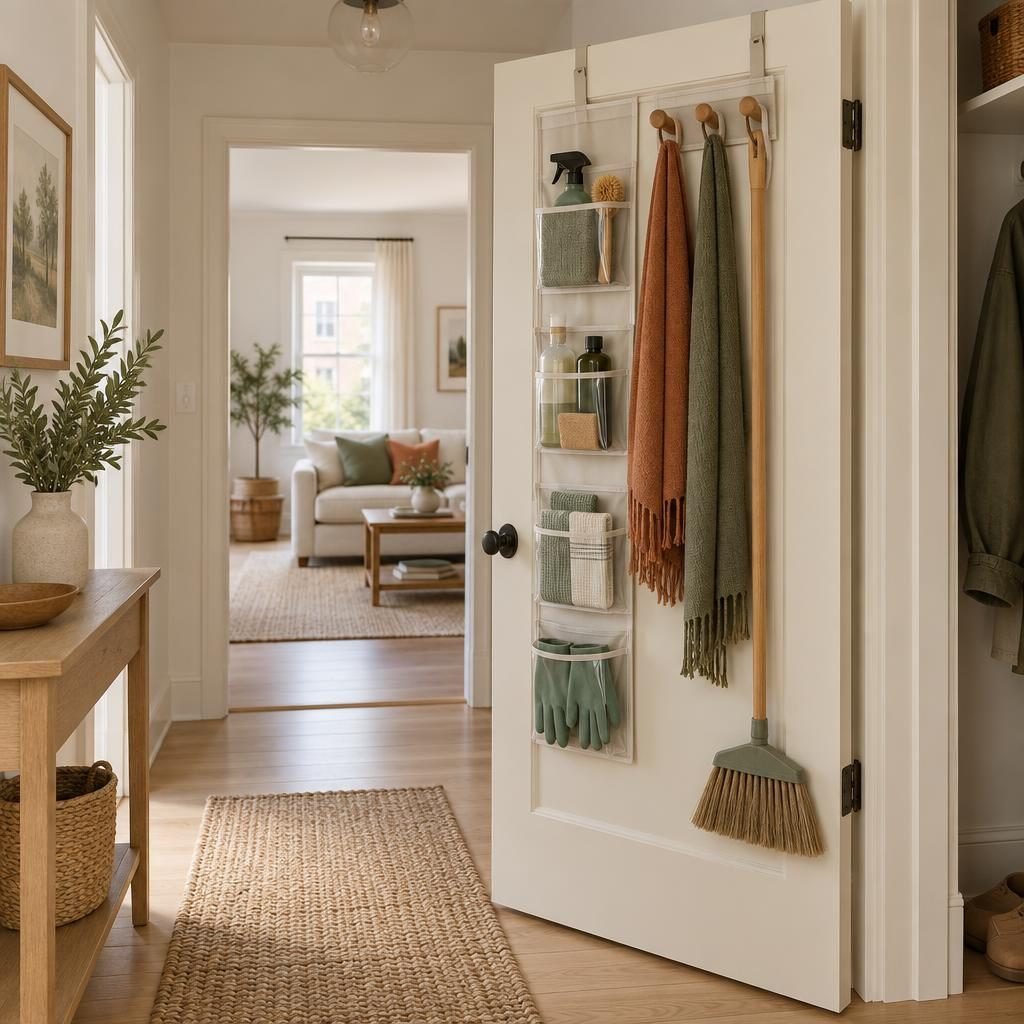
10. Use the back of every door
An over-the-door organizer adds a whole column of storage without tools. Use clear pockets for cleaning supplies in a hallway, shoes in a bedroom, or snacks on a pantry door. A row of over-the-door hooks holds robes, bags and towels.
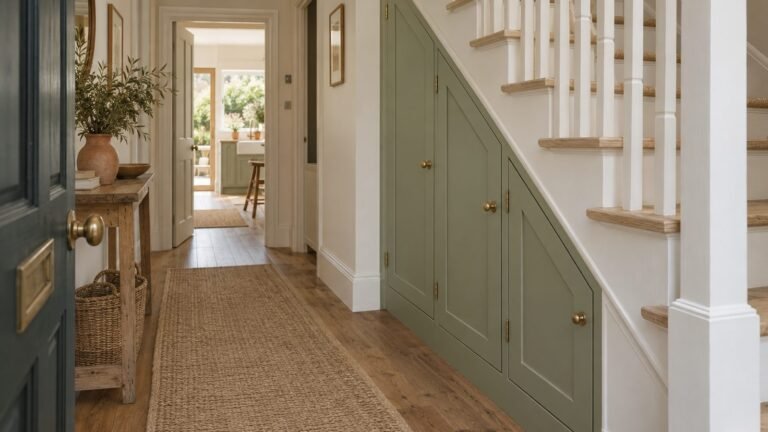
11. Turn the space under the stairs into storage
If your home has stairs, the space under them can hold a closet, drawers or open shelves. See our under-stairs storage ideas for layouts that fit different staircases.
12. Use the inside of cabinet doors
Small adhesive hooks, racks and baskets turn cabinet doors into storage for lids, cutting boards, cleaning sprays and hair tools. Measure the depth first so the door still closes over the shelves.
13. Go over the toilet
In a small bathroom, the wall above the toilet is the easiest place to add storage. A shelf unit or a pair of wall cabinets holds towels and extras. Our over-the-toilet storage ideas and small bathroom storage ideas cover more options.
14. Fill corners with corner shelves
Corners are dead space in most rooms. A corner shelf, a tall corner cabinet or a set of floating corner shelves turns them into display and storage space without sticking out into the room.

Save the checklist
Six storage spots most small homes forget, all on one page. Pin it so you have it when you start sorting your space.
Save to PinterestSmall Kitchen and Entryway Ideas
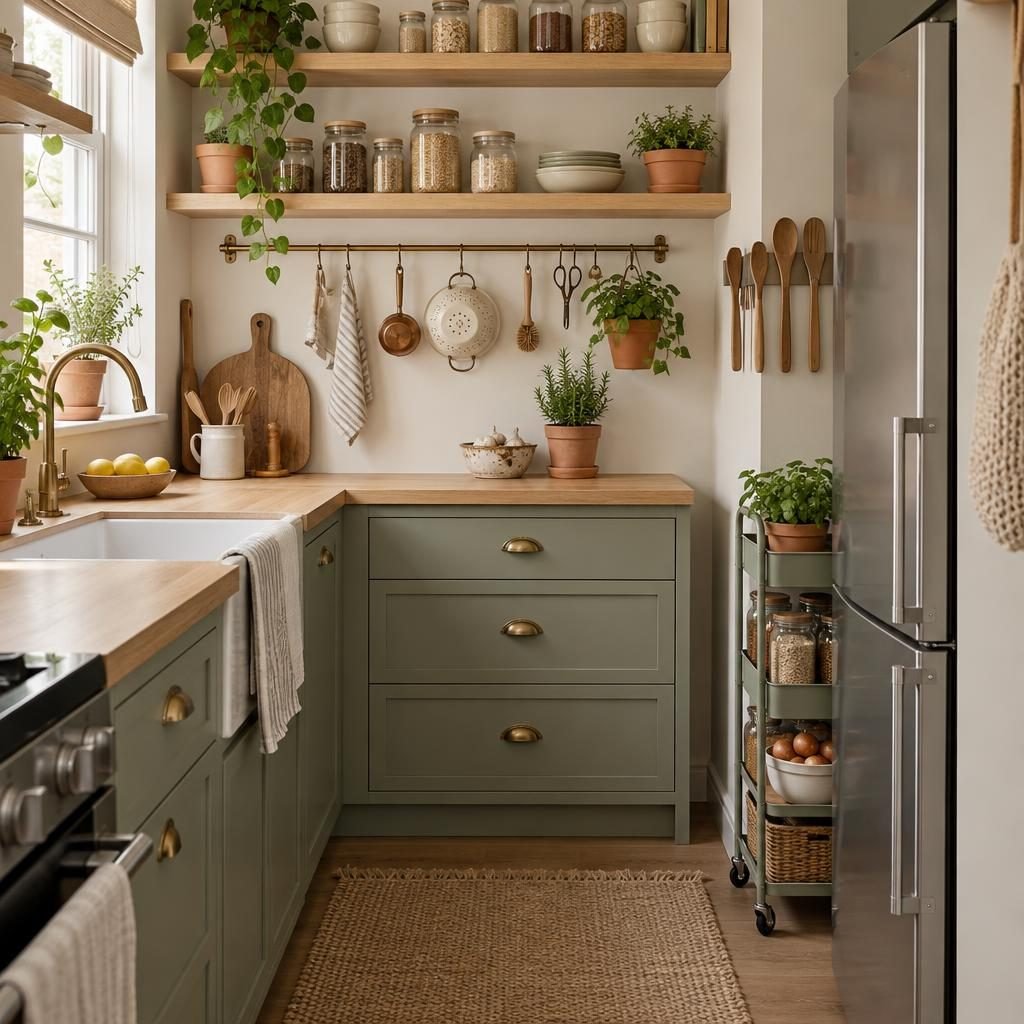
15. Slide a rolling cart into narrow gaps
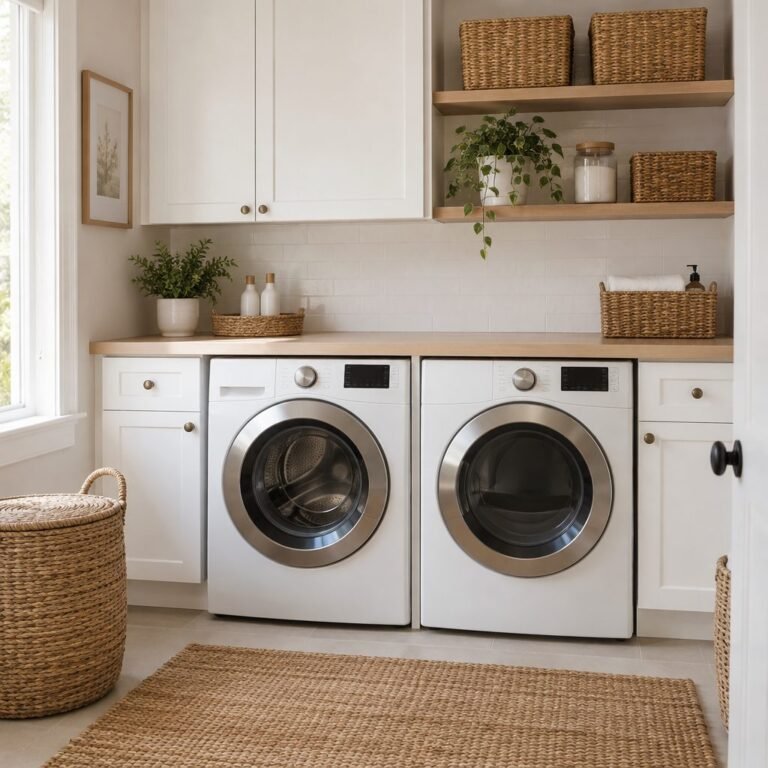
A slim rolling cart fits into the gap beside the fridge, the washer or the counter and holds spices, oils, cans or cleaning supplies. Pull it out when you need it and push it back when you don’t. For more kitchen ideas, see our kitchen storage ideas.
16. Hang it on rails and magnetic strips
A wall rail with S-hooks holds utensils, mugs and small pots, and a magnetic strip keeps knives or metal spice tins off the counter. Clearing the counter makes a small kitchen feel much bigger.
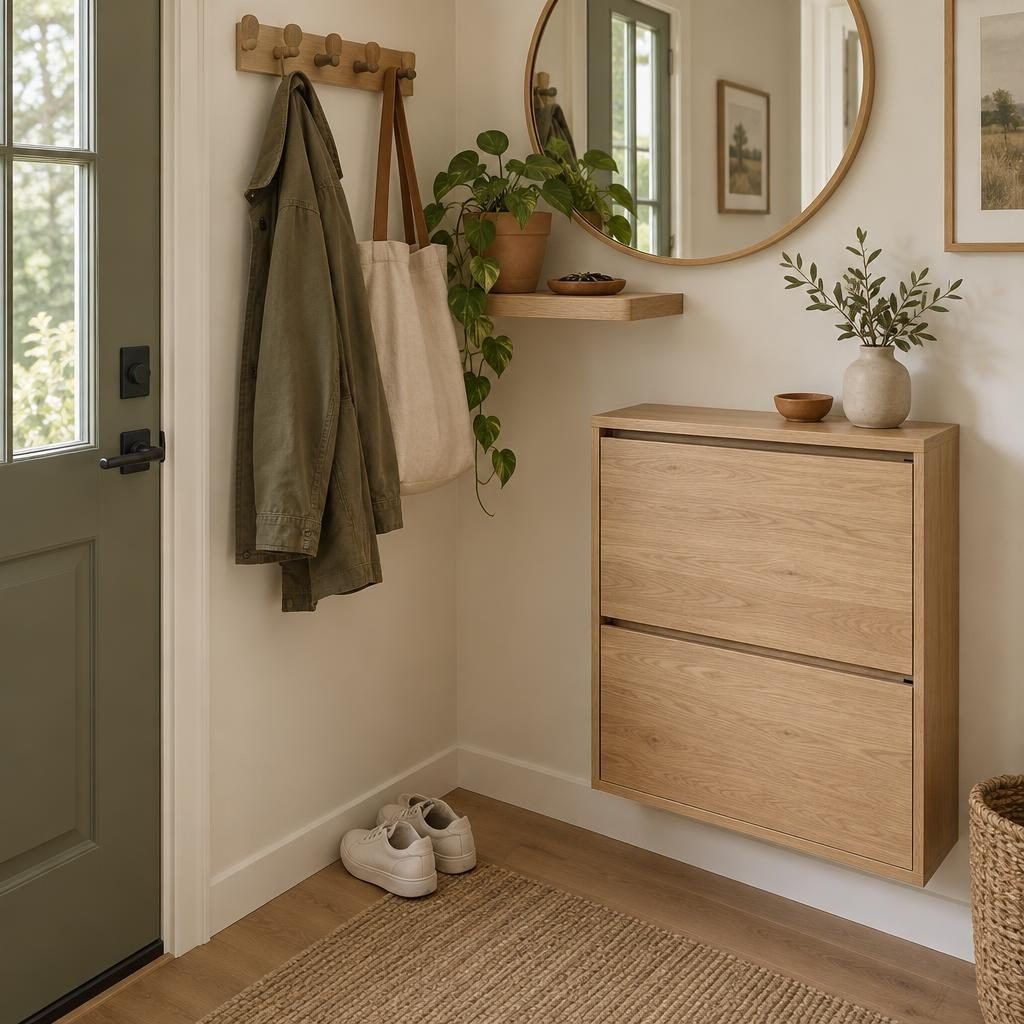
17. Mount a slim shoe cabinet by the door
Shoes pile up fast in a small entry. A wall-mounted tip-out shoe cabinet is only about 7 to 9 inches (18 to 23 cm) deep and holds several pairs behind closed doors. Add a small tray on top for keys and mail. Our small entryway ideas have more layouts.
18. Choose hooks over a coat rack
A freestanding coat rack takes floor space and tips easily when it’s overloaded. A row of peg hooks or a wall rail holds coats, bags and dog leashes and keeps the floor clear.
Keep It Working
19. Use clear bins and labels
When storage goes high or under furniture, you can’t see what’s inside. Clear bins or labeled boxes stop you from buying things you already own. In closets, matching bins on the top shelf make the most of every inch; our small closet organization ideas show how.
20. Follow a one in, one out rule
Even the smartest small apartment storage ideas stop working if more comes in than goes out. When you buy something new, let one similar item go. It keeps your storage from filling up again in a few months.
Common Mistakes to Avoid
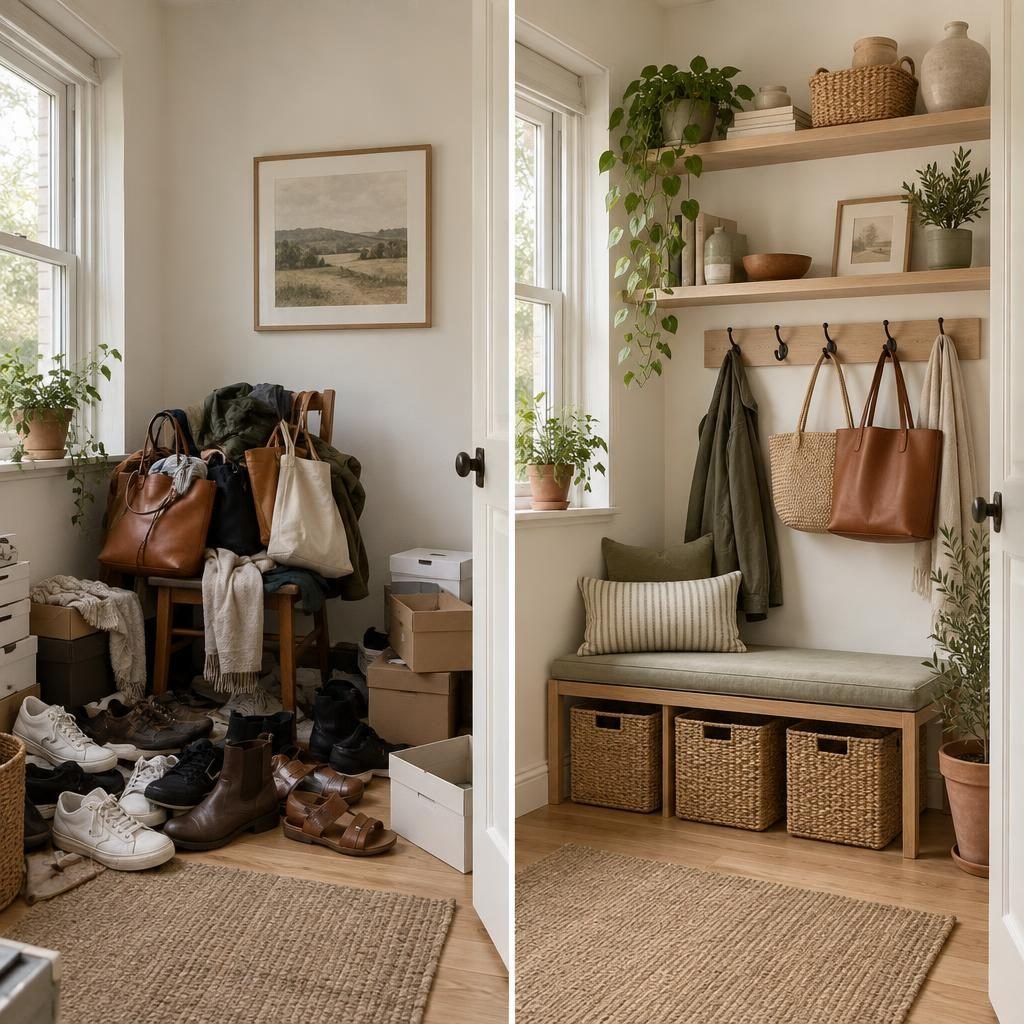
- Buying storage before decluttering. You end up organizing things you don’t need.
- Using the floor as storage. Piles and floor baskets make a small room feel crowded fast.
- Putting heavy items up high. Keep them low, and anchor tall bookcases and dressers.
- Choosing deep, dark furniture. Shallow, light-colored pieces take up less space and feel lighter.
- Hiding things you use daily. If it’s hard to reach, it won’t get put away.
FAQ
How do I maximize storage in a small space?
Most storage ideas for small spaces follow the same order. Start by decluttering, then use vertical space with tall shelves and above-door shelves, choose furniture with built-in storage, and use hidden spots like under the bed and the backs of doors. Keep daily items in easy reach and store seasonal things up high.
What are the best storage solutions for small spaces when renting?
Freestanding and no-drill options work best: over-the-door organizers, ladder shelves, bed risers with under-bed bins, rolling carts, storage ottomans and tension rods. Always check your lease before drilling, and anchor tall furniture if you have kids.
How can I make a small room look less cluttered?
Keep the floor as clear as possible, use closed storage for messy items, and choose light-colored furniture with legs so you can see the floor underneath. Fewer, larger baskets look calmer than many small ones.
Where should I store things in a small apartment with no closet?
Use a freestanding wardrobe or open clothing rack, a bed with drawers, a storage bench by the door and a shelf above the door for seasonal items. Hooks on the walls and doors can hold coats and bags.
In a small living room, a coffee table with a lower shelf or drawers can double as storage. Our coffee table decor guide shows how to style the top without adding clutter.
Moving into a smaller home? Plan the packing first with our moving box calculator, which estimates how many boxes you need for each room.
Living in one open room? Our guide to room divider ideas shows how to split a studio or living room into zones with shelves, curtains and screens, without building a wall.
Still out of space? Before you rent extra room, use our storage unit size calculator to see which unit size you actually need.
Final Thoughts
The best storage ideas for small spaces work with the room you already have. Go vertical, pick furniture that stores, and use forgotten spots like the backs of doors and the space under the bed. Start with one wall or one room this weekend, and you’ll be surprised how much calmer your home feels.
How this guide was made: researched and written with the help of AI tools, fact-checked against trusted sources and published by Mohamed Elber. Images are AI-generated illustrations. See our Editorial Policy.