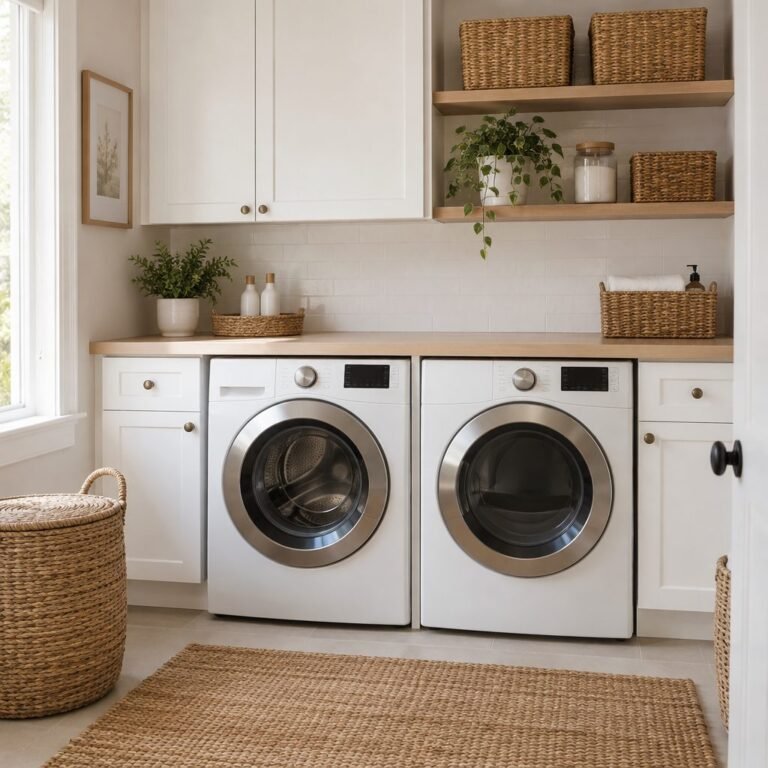
Learning how to declutter your home is less about willpower and more about having a simple plan. Most people start in the wrong place, pull everything out at once and run out of energy before anything leaves the house. A better approach is to sort with clear rules, work room by room and keep each session short enough to finish.
This guide gives you that plan: the four-box method, the best room order, a 7-step process and 20 decluttering tips for every room, plus how to declutter your home fast when you’re short on time and how to keep it that way.

Key Takeaways
- Quick answer: To declutter your home, sort every item into four boxes (keep, donate or sell, trash or recycle, relocate), start with easy rooms like the entryway and bathroom, leave paper and keepsakes for last, and work in 15-minute sessions.
- Sort every item into one of four boxes: keep, donate or sell, trash or recycle, and relocate.
- Start with easy rooms like the entryway and bathroom, and leave paper and sentimental items for last.
- Work in short sessions, finish one spot at a time and get donations out of the house the same day.
Time: 15 minutes a day or one weekend per room · Cost: Free · Difficulty: Easy to moderate
Before You Start: The Four-Box Method
The four-box method is the simplest way to make quick decisions. Grab four boxes or bags and put every item you pick up into one of them. There is no fifth “maybe” pile, because that pile is how clutter survives.
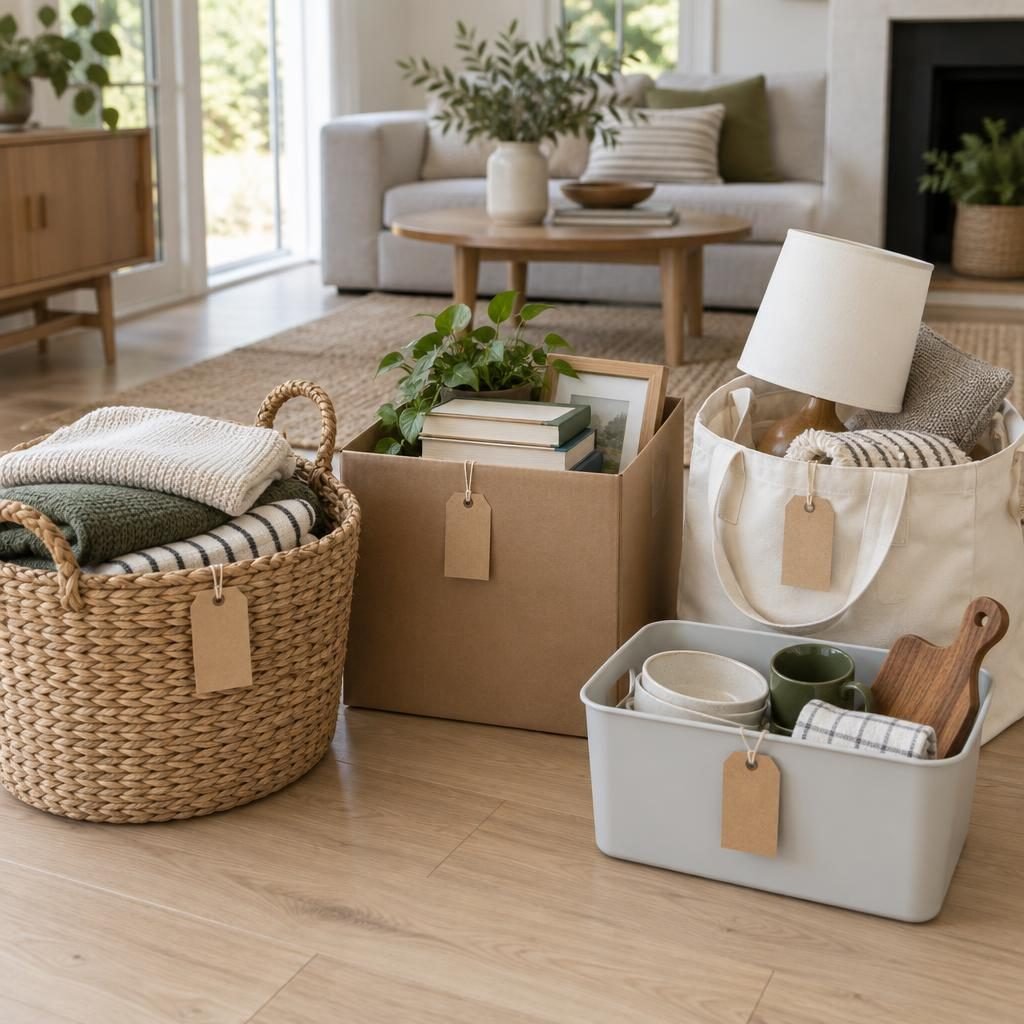
Why does it feel so good to clear a room? Part of the answer is how the brain handles what it sees. In a 2011 study from Princeton researchers McMains and Kastner, objects in view competed with each other for attention in the visual cortex, and that competition dropped when the scene was more organized. In everyday terms, fewer things in sight means less for your brain to sort through.
Quick Pick: Where to Start Based on Your Time
One of the biggest questions about how to declutter your home is where to begin. Match the task to the time you actually have today.
| Time you have | What to declutter |
|---|---|
| 5 minutes | One drawer, the bathroom counter or the mail pile |
| 15 minutes | One shelf, the entryway or under the bathroom sink |
| 1 hour | Kitchen counters, a nightstand or a coat closet |
| Half a day | A bedroom closet or the living room |
| A weekend | A full room plus the donation drop-off |
How to Declutter Your Home in 7 Steps
- Set one small goal. One drawer, one shelf or one surface, not “the whole kitchen.”
- Grab your four boxes. Keep, donate or sell, trash or recycle, relocate.
- Empty the spot. Take everything out of the drawer or off the shelf so you can see it all.
- Decide fast. Ask: do I use it, do I love it, and would I buy it again today?
- Clean the empty space. Wipe it down before anything goes back.
- Put back only the keep box. Give every item a clear home, with daily items in the easiest spots.
- Finish the job. Take out the trash, return relocated items and put the donate box in your car.
20 Decluttering Tips Room by Room
This is how to declutter your home one room at a time. Follow the room order from the diagram, or start wherever clutter bothers you most. Each room below has the quickest wins first.
Entryway
1. Clear the floor first
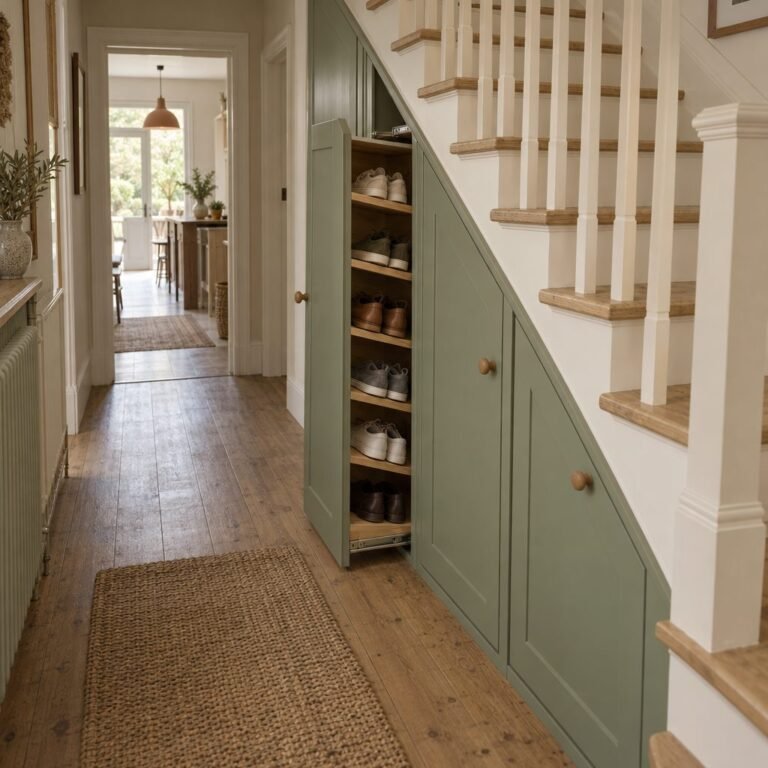
Shoes, bags and boxes by the door are the first thing you see every day. Keep one or two pairs of shoes per person by the door and move the rest. Our small entryway ideas show how to set up hooks and a shoe rack so it stays clear.
2. Give mail a single home
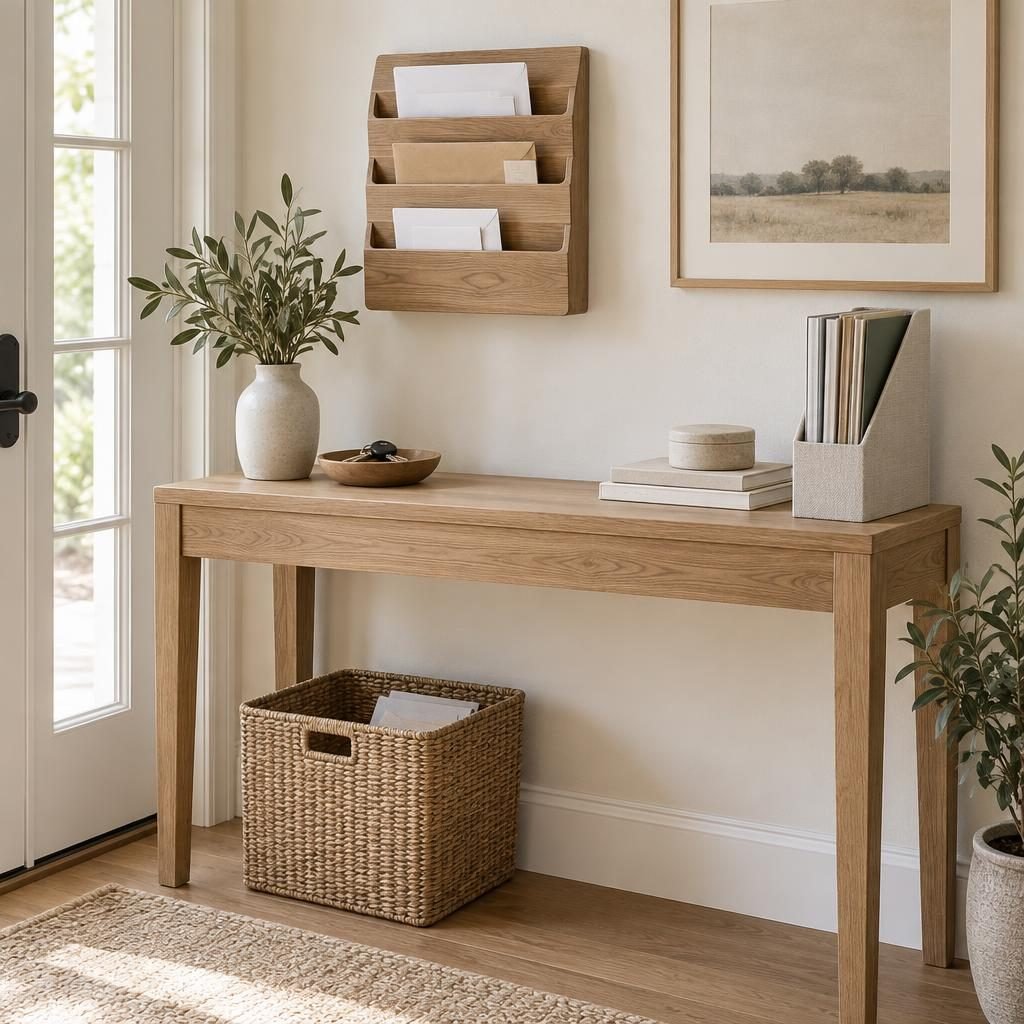
Most paper clutter starts at the door. A wall sorter or tray catches mail, and a recycling bin right underneath means junk mail never makes it past the entry.
Bathroom
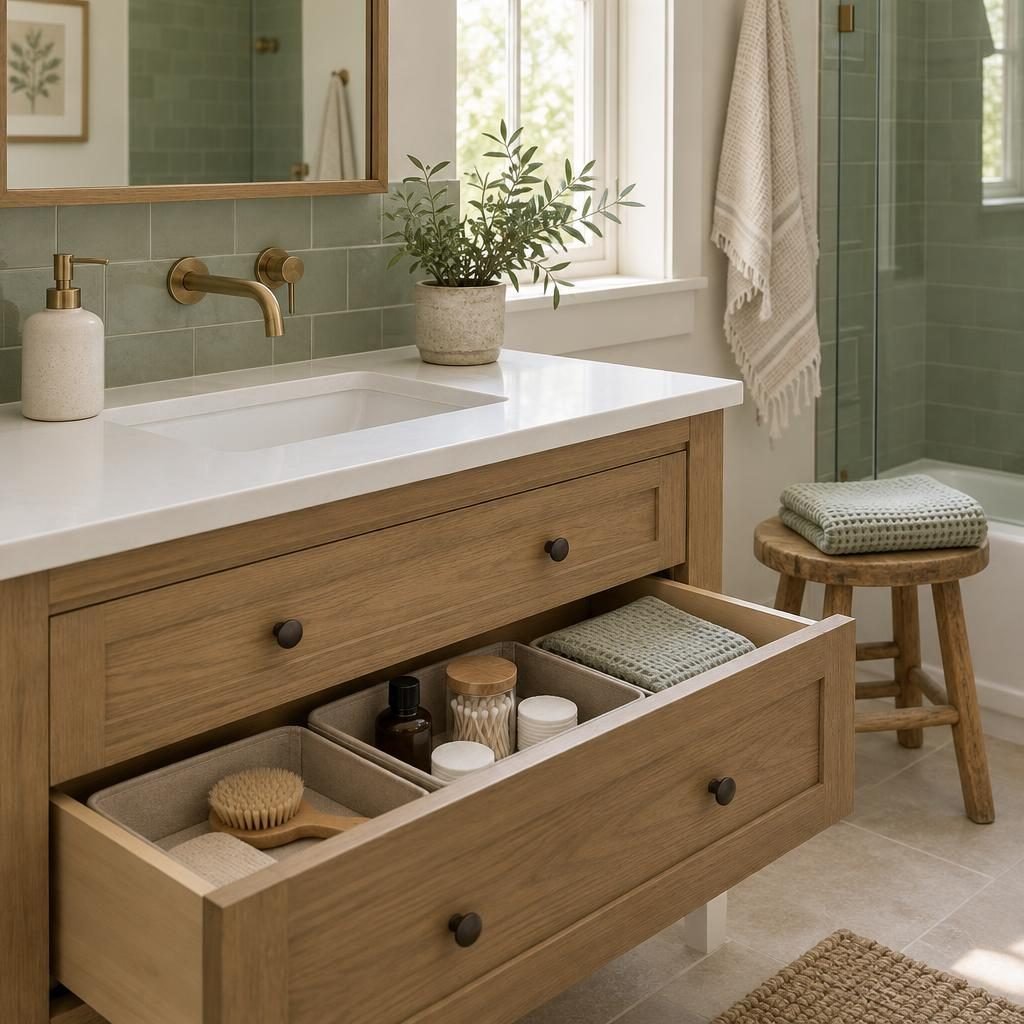
3. Toss expired products
Check dates on medicine, sunscreen and makeup. Many products have a small open-jar symbol showing how many months they last after opening.
4. Keep only daily items on the counter
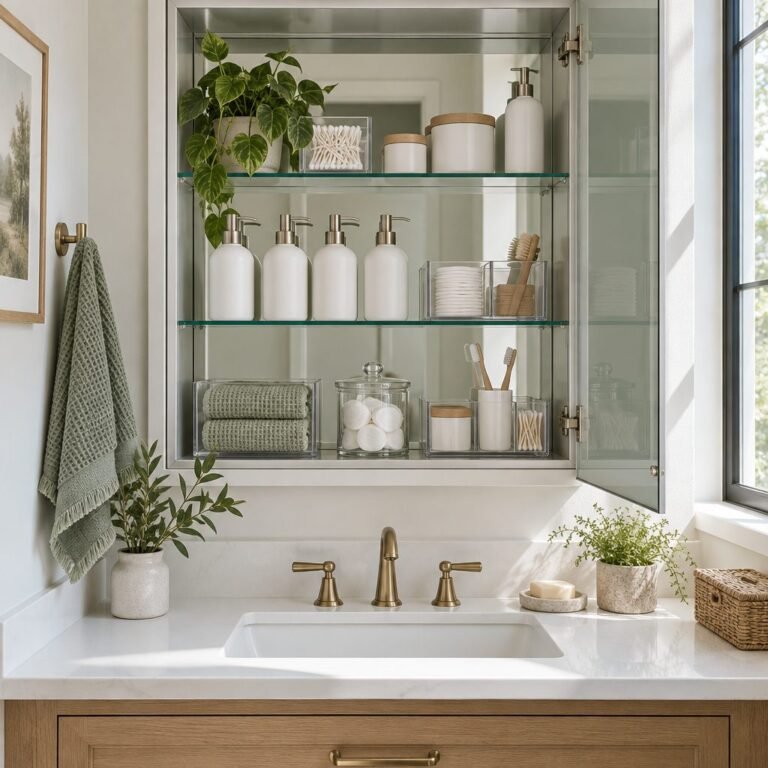
Soap, a toothbrush cup and maybe one plant. Everything else goes in drawers or under the sink. For ideas, see our bathroom organization ideas.
5. Edit the samples and duplicates
Hotel bottles, free samples and three half-used shampoos take up more space than you think. Use them up or let them go.
Kitchen
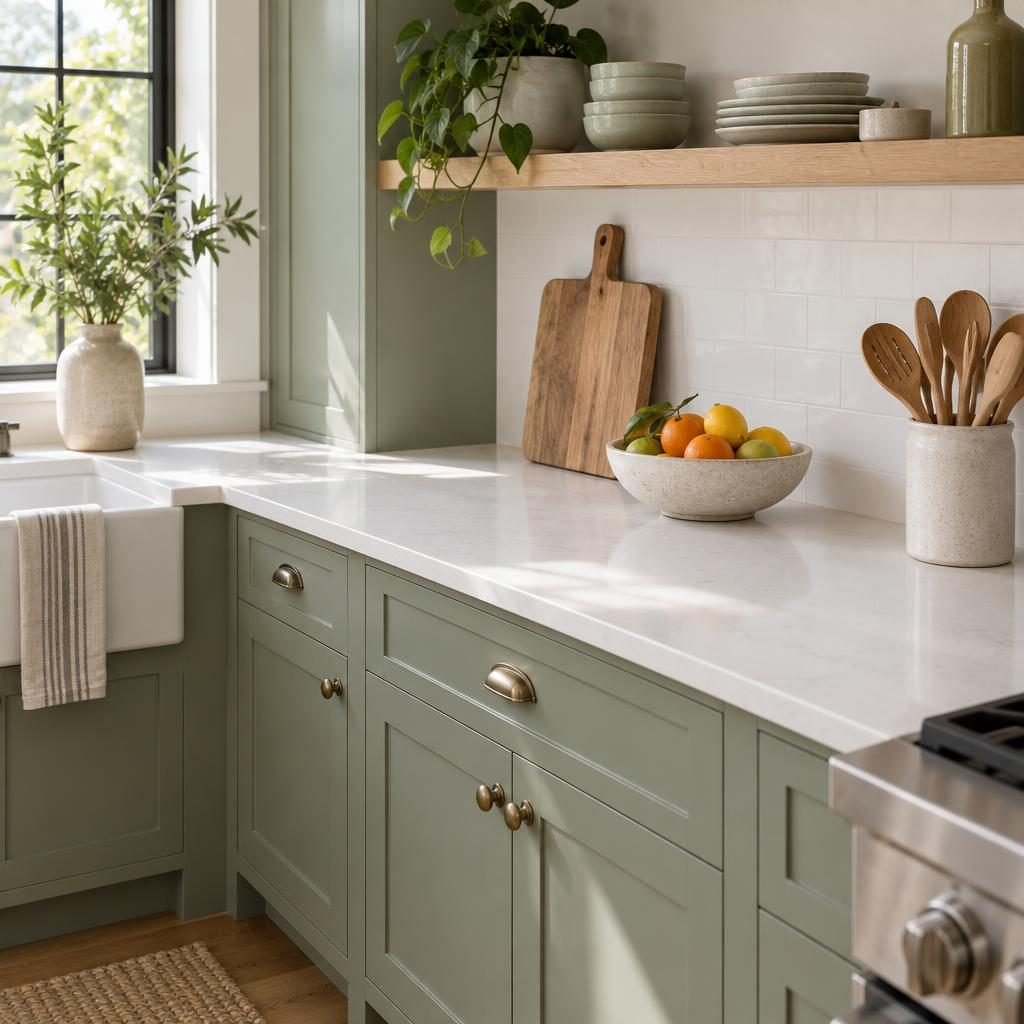
6. Clear the counters
Move appliances you don’t use every week into a cabinet. Clear counters make the whole kitchen feel bigger. Our kitchen counter organization guide shows what should stay out.
7. Cut duplicate tools
Most kitchens have extra spatulas, mugs and food containers. Keep your favorites and donate the rest, and match every container to a lid.
8. Clean out the pantry and fridge
Toss expired food and group what’s left by type. Our guide to organizing a kitchen pantry walks through a full reset.
Bedroom and Closet

9. Clear the nightstand
A lamp, a book and a glass of water are enough. A calm nightstand makes the whole bedroom feel more restful.
10. Use the hanger trick
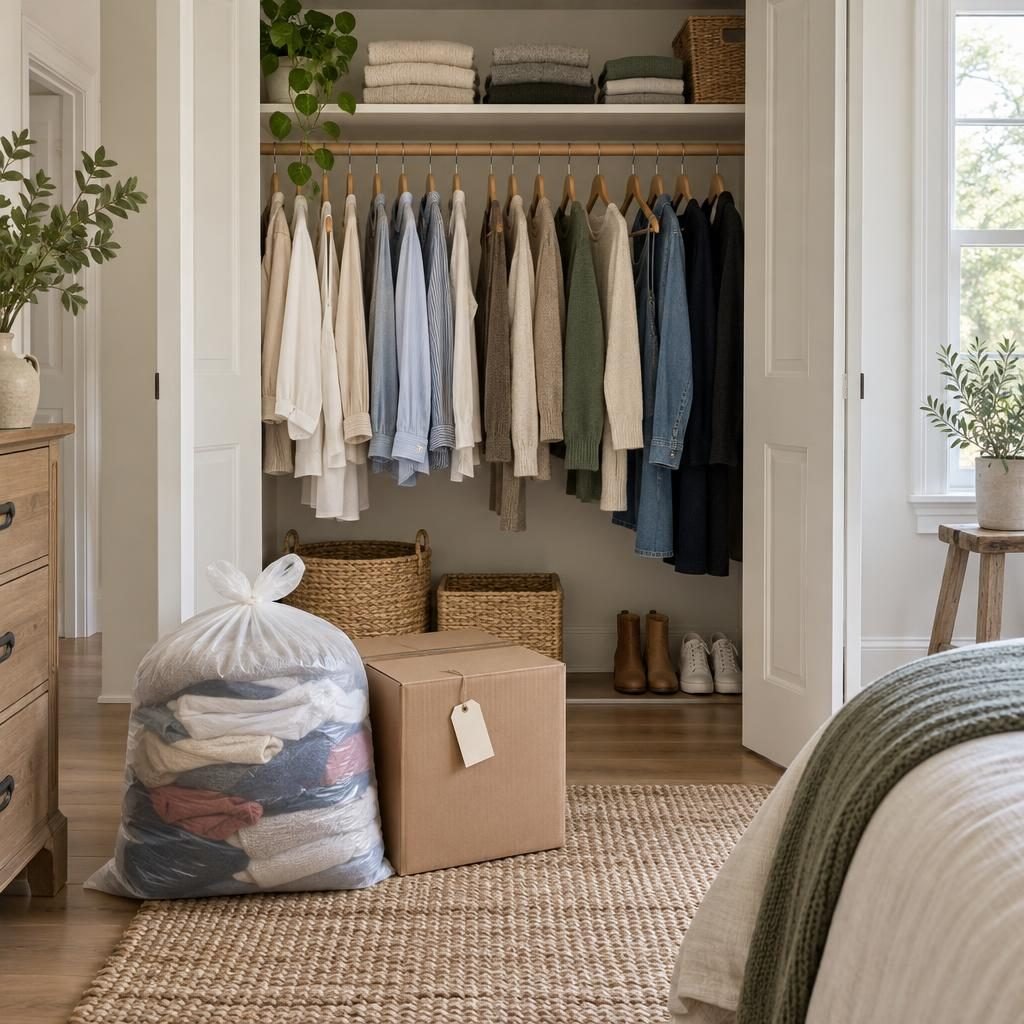
Turn all hangers backward. When you wear something, hang it back the normal way. After a few months, the backward hangers show what you never wear. Our closet clean out guide covers the full process.
11. Empty the floor and chair
The chair that collects clothes is a classic clutter spot. Give clean clothes a home in the closet and dirty clothes a hamper.
Living Room
12. Reset every surface
Coffee tables, side tables and shelves collect remotes, mail and mugs. Keep one or two decorative pieces per surface and give the rest a home.
13. Edit books, media and decor
Keep the books you love or will read again. Too many small decor pieces read as clutter, so pick fewer, larger items.
14. Add one basket for strays
A single basket catches throws, toys and chargers during the day. Empty it back to the right rooms each evening.
Kids Rooms
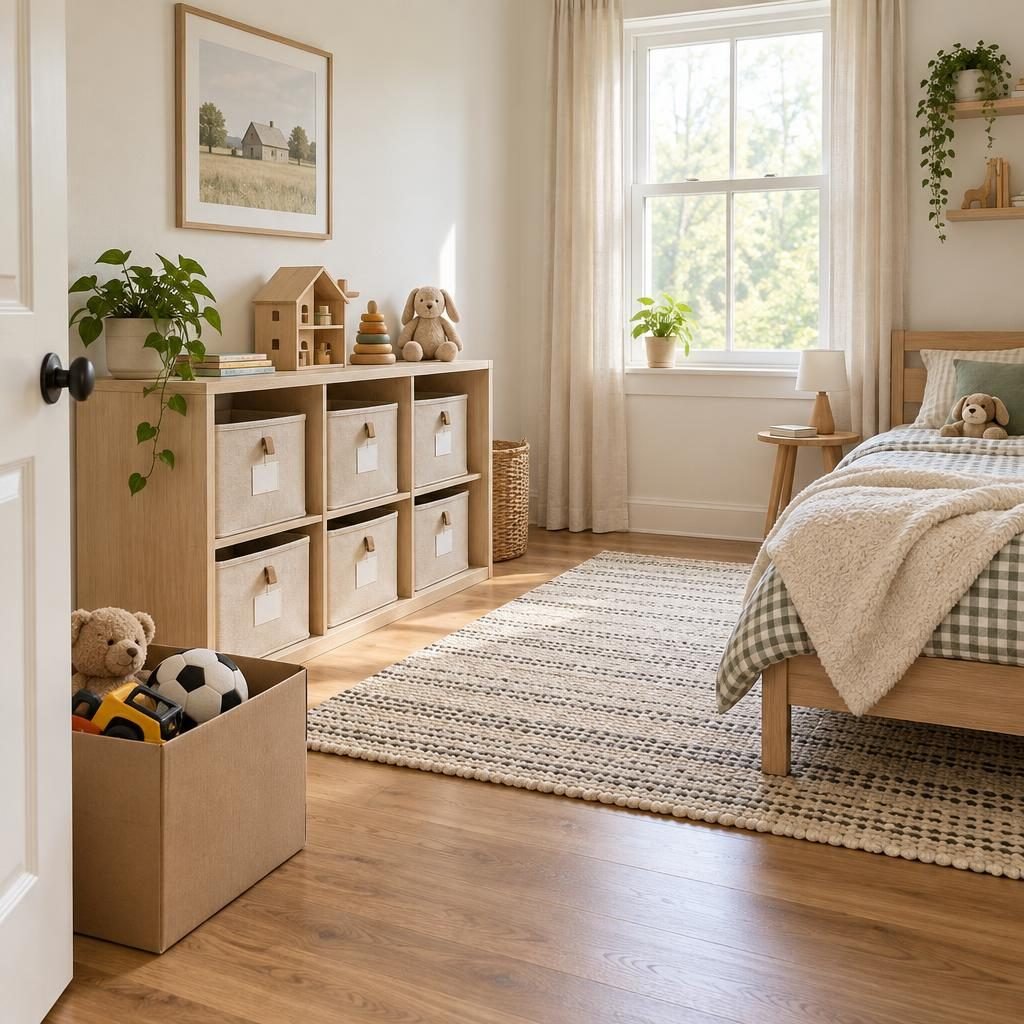
15. Pass on outgrown toys and clothes
Kids grow fast, so this is one of the easiest rooms to edit. Keep a donation box in the closet for anything that no longer fits. Our toy storage ideas show how to set up a simple toy rotation.
16. Let kids help choose
Older kids are more likely to keep a room tidy if they help decide what stays. Give them a limit, like one shelf of stuffed animals.
Paper and Sentimental Items
17. Sort paper into three piles
Act, file and recycle. Keep important documents in one labeled file box and go paperless for bills where you can.
18. Leave sentimental items for last
Keepsakes are the hardest decisions, so do them after you’ve built momentum in easier rooms. Keep the best pieces in one memory box per person and take photos of the rest.
Keep It Decluttered
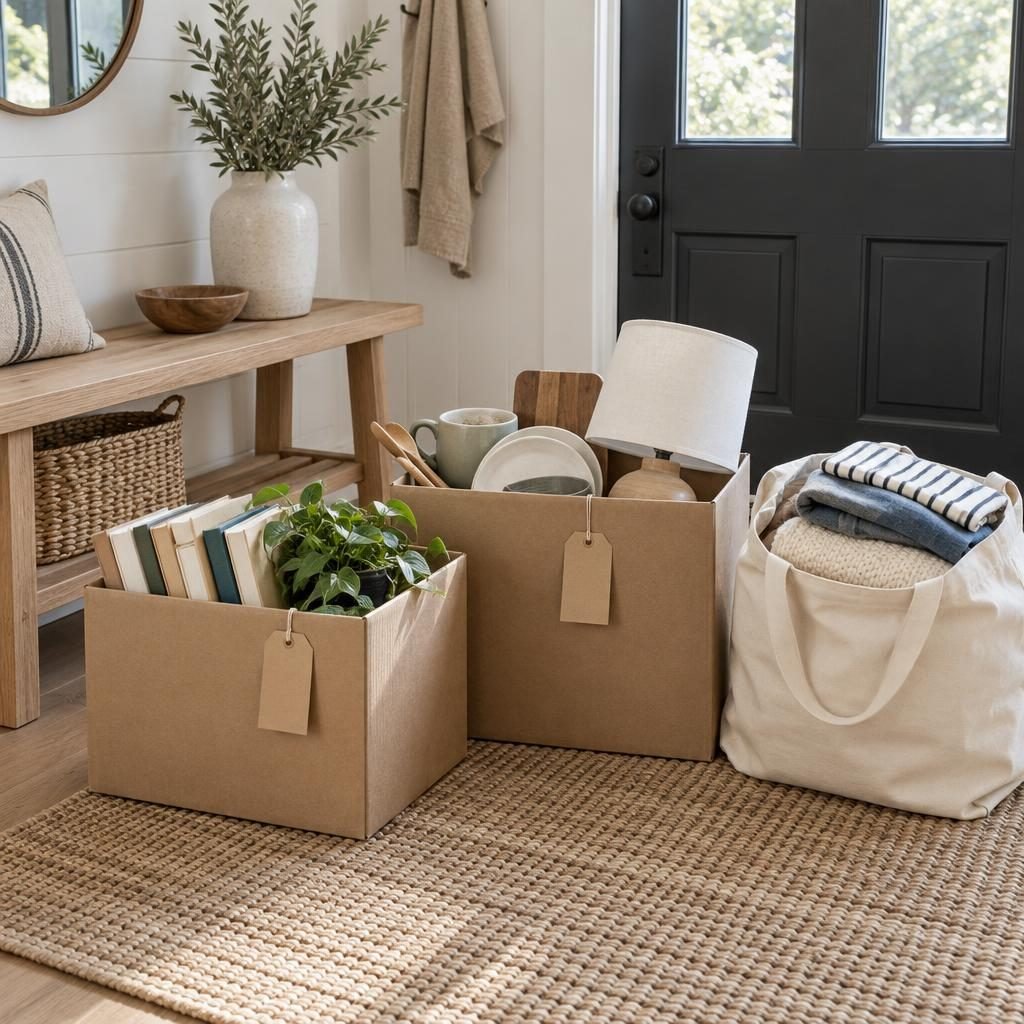
19. Get donations out the same day
A donation box that sits in the hallway slowly gets unpacked. Put it in your car right away and drop it off on your next errand.
20. Follow one-in, one-out
When something new comes in, something old goes. A quick 15-minute reset each week keeps clutter from building back up.
How to Declutter Your Home Fast
Short on time or expecting guests? Focus on what you see first:
- Do a trash sweep. Walk through every room with a bag and toss obvious trash.
- Clear the surfaces. Counters, tables and the floor make the biggest difference.
- Use a relocate basket. Carry one basket from room to room and drop items where they belong.
- Set a timer. Fifteen minutes per room keeps you moving and stops you from getting stuck on one drawer.

Save the checklist
Every room in this guide on one page, with the first job to do in each. Pin it so you have it when you start decluttering.
Save to PinterestCommon Decluttering Mistakes
- Buying storage first. Declutter before you buy bins, or you’ll just organize clutter.
- Starting with keepsakes. Hard decisions early drain your energy.
- Emptying a whole room at once. Work in small areas you can finish in one session.
- Keeping a maybe pile. Every item gets a decision now.
- Letting donations linger. Out of the house the same day, or they creep back in.
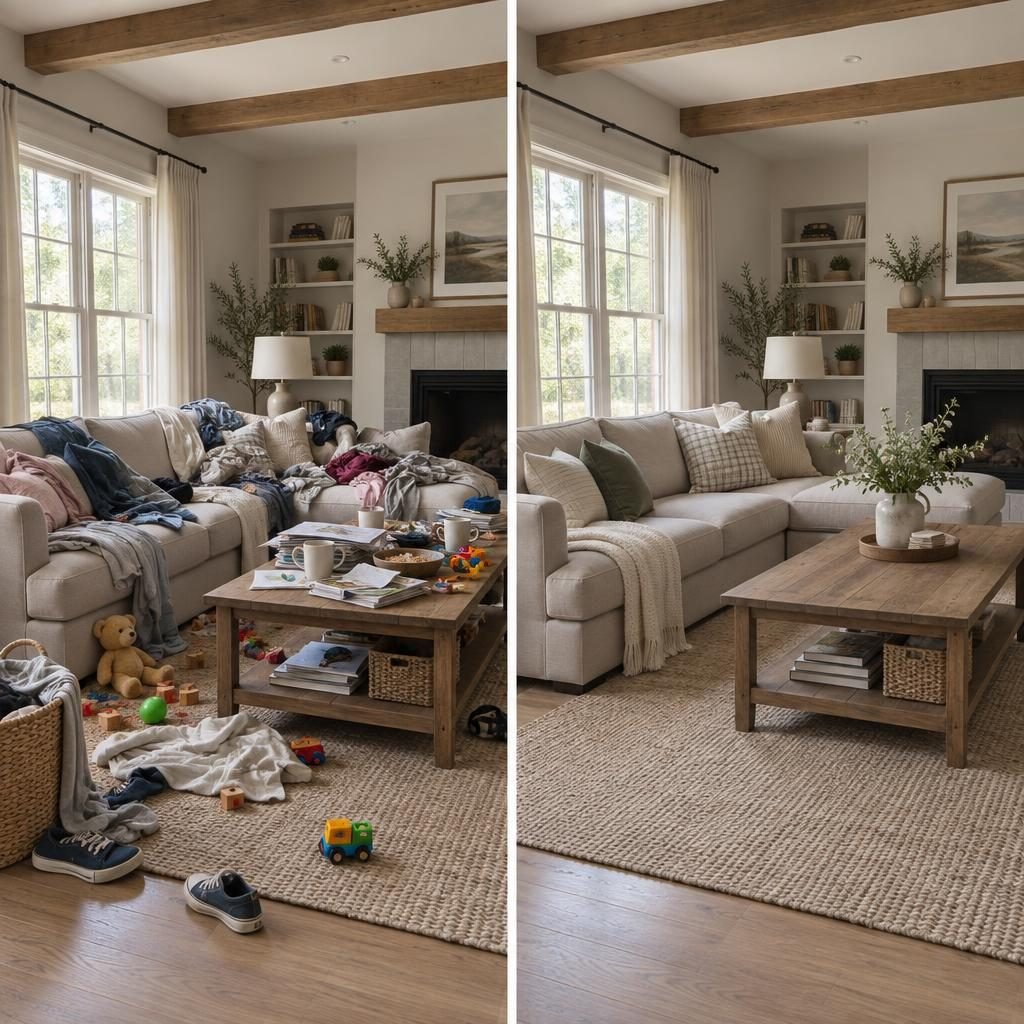
The before-and-after above is the same living room. Nothing was bought, only removed and put back with a home. That’s what learning how to declutter your home really means: fewer things, each with a place.
Decluttering FAQ
Where should I start decluttering my home?
Start with an easy, high-traffic spot like the entryway or bathroom counter. Quick wins build momentum for harder rooms like closets, and leave paper and sentimental items for last.
How do I declutter when I feel overwhelmed?
Pick one small area, like a single drawer, and set a 15-minute timer. Use the four-box method so every item gets a quick decision, and stop when the timer ends.
How long does it take to declutter a whole house?
It depends on the size of the home and how much you own. Working 15 minutes a day, many people get through a home in a few weeks; dedicating a weekend per room is faster.
What is the four-box method for decluttering?
You put every item into one of four boxes: keep, donate or sell, trash or recycle, and relocate. It removes the maybe pile and makes each decision quick.
Start small if the whole house feels like too much: our junk drawer organizer guide turns the messiest drawer in the kitchen into a quick, satisfying win.
Once a room is decluttered, give what is left a home. Our guide on how to organize your room walks you through a simple zone plan and a 7-step method to keep a bedroom tidy.
Decluttering before a move? Our free moving box calculator shows how many boxes you need for the things you decide to keep, room by room.
Keeping things you are not ready to part with? Our storage unit size calculator shows the smallest unit that fits, so you do not pay for empty space.
Final Thoughts
The easiest way to declutter your home is to make it small and repeatable: four boxes, one spot at a time and a room order that starts with quick wins. Once each room is clear, a weekly 15-minute reset and a one-in, one-out habit keep it that way. Start with one drawer today.
Save this guide to Pinterest so the room-by-room checklist is there when you’re ready for the next room.
How this guide was made: researched and written with the help of AI tools, fact-checked against trusted sources and published by Mohamed Elber. Images are AI-generated illustrations. See our Editorial Policy.